
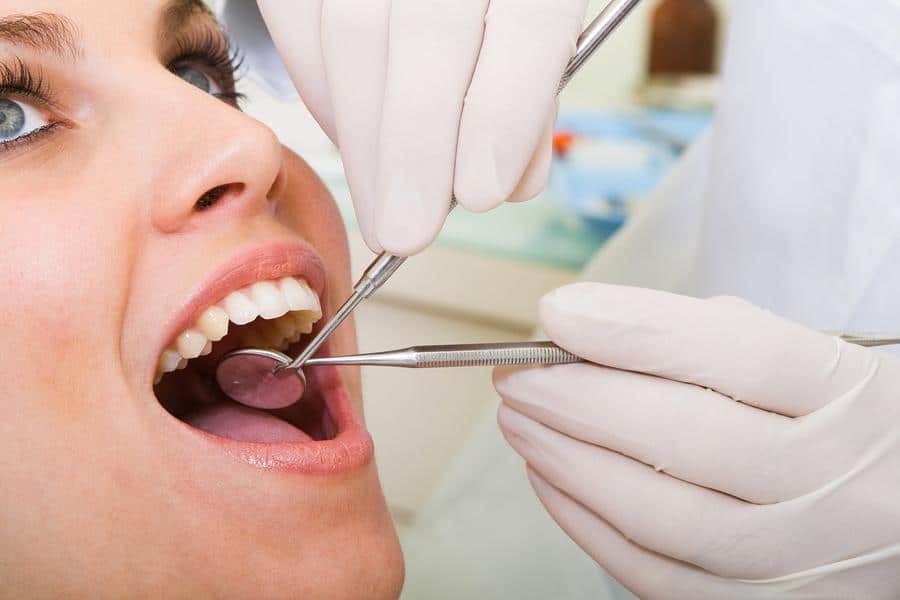
Scheduling a quadrant-based deep cleaning at Chatham Family & Implant Dentistry is a strategic dental protocol that divides the mouth into four sections for scaling and root planing. This phased approach ensures safe levels of local anesthesia, minimizes post-treatment jaw fatigue, and allows patients to maintain normal eating habits while healing.
The Best Time to Book Your Deep Cleaning
When you are staring at your work calendar, trying to find the perfect 90-minute block for your scaling and root planing, the time of day you choose matters. Because we use local anesthetics to keep you completely comfortable, the side of your mouth we treat will remain numb for about 2 to 3 hours after you leave our clinic.
- The Morning Strategy: Booking an 8:00 AM slot is ideal for the busy professional. You arrive fresh, get the treatment done, and the numbness will wear off right in time for a late lunch.
- The Late Afternoon Strategy: If you book a 4:00 PM appointment after the Chatham County schools let out, be prepared to adjust your dinner plans. Your mouth will still be numb when it is time to eat, so you will need to stick to soft, lukewarm foods like smoothies or yogurt to avoid accidentally biting your cheek.
A table that compares one visit and two visits
Treatment strategy | Chair time | Post-visit chewing | Anesthesia level | PTO required |
Half-mouth | 60-90 minutes | Very easy | Low | Minimal |
Full-mouth | 2.5 – 3 hours | Difficult | High | Half-day to full day |
Single quadrant | 45 minutes | Maximum comfort | Very low | Highest distribution |
What Happens If You Delay Your Second Quadrant Visit?
It is incredibly common for a patient to successfully complete the right side of their mouth, only for a sudden emergency to force them to cancel the appointment for the left side. While we offer guilt-free rescheduling, waiting too long between your quadrant visits poses a hidden biological risk: cross-contamination. Your mouth is a closed ecosystem. If you wait a month or two to schedule your second visit, the aggressive bacteria thriving on the untreated left side of your mouth will easily travel over and recolonize the freshly cleaned right side. To protect your investment and ensure your gums heal properly, we strongly advise keeping the gap between your two quadrant visits under 14 days.
How Sedation Dentistry Condenses Your Schedule
While the “Half-Mouth Strategy” is standard for awake patients, opting for Oral Conscious Sedation allows us to safely pivot to a single-visit approach. Because this safe, prescribed medication puts you into a deep state of relaxation, you will not experience jaw fatigue or clinical anxiety for Alzheimer’s. Clinical evidence supports that conditions such as autism, Down syndrome, and Alzheimer’s Disease require sedation/general anesthesia not only because of a lack of cooperation but also because of the effects of patients’ disabilities on their ability to maintain oral hygiene [1] (Yang et al., 2023). Your concept of time slips away, allowing our doctors to meticulously clean all four quadrants in one highly efficient mega-appointment. You simply need a trusted family member to drive you home, and you wake up with your entire periodontal treatment completed in a single afternoon.
Mapping Out Your First Year of Periodontal Care
The biggest scheduling shock for patients diagnosed with gum disease is adjusting to their new calendar. Year one of periodontal therapy looks vastly different than the standard “see you in six months” routine. Medical literature supports that quadrant dentistry resulted in a saving of between 30% and 50% of chair time [2] (Bimstein, 1978). To keep your household calendar organized, here is exactly what you need to budget for over the next 12 months:
- Month 1: Two 60-to-90-minute visits spaced one week apart to complete your quadrant deep cleanings.
- Months 4, 7, and 10: Instead of a standard cleaning, you immediately transition to a “Periodontal Maintenance” schedule. These highly targeted cleanings occur every 90 to 120 days.
- Pro Tip: Because these 3-month maintenance slots are in extremely high demand, we highly recommend utilizing forward-booking. We will reserve all three of your maintenance dates before you even leave your initial deep cleaning, guaranteeing you secure your preferred early-morning or late-afternoon times.
Coordinating Deep Cleanings Around Clear Aligners
A growing number of adults are choosing to straighten their smiles with clear aligner therapy. However, if active gum disease is discovered during your orthodontic journey, your schedule requires careful coordination. You cannot safely move teeth through infected, inflamed bone. If you need a quadrant deep cleaning while wearing aligners, we will strategically pause your tray progression. Once we clear out the hardened tartar beneath your gumline, your chronic swelling will drop dramatically. As your gums heal and tighten around your teeth, the actual physical shape of your gumline changes. We schedule your deep cleaning visits first, allow the tissue to firm up over a few weeks, and then use our digital 3D scanners to capture a new impression of your mouth. This guarantees your next set of clear aligners fits flawlessly against your newly healthy gums.
FAQS
1. Can I go back to work after a quadrant deep cleaning?
Absolutely. Because we typically treat only one side of your mouth at a time, your appointment takes about 60 to 90 minutes. You will be slightly numb on that side, but you can safely drive, return to your office, and resume normal daily activities immediately.
2. How far apart should my two deep cleaning visits be scheduled?
We generally recommend scheduling your second visit within one to two weeks of your first appointment. This tight timeline ensures that the bacteria we removed from the first half of your mouth do not have time to cross over and reinfect the untreated side before we can clean it.
3. Why did my dentist only schedule one quadrant for my deep cleaning?
If your hygienist only schedules one specific quadrant, it is actually great news! It means your periodontal disease is highly localized. You likely have healthy gums everywhere else, but one specific area needs targeted therapy.
About The Author
Dr. Colin Barbaro, DDS, provides comprehensive general and cosmetic dentistry at Azalea Dental in Wilmington, NC. With advanced surgical training from a VA hospital residency, he specializes in implant placement, TMJ therapy, restorative care, and endodontics. He is committed to delivering safe, evidence-based solutions that keep patients comfortable and informed at every step.
References
[1] Yang, R., Zhao, R., Chaudry, F., Wang, T., Brunton, P., Khurshid, Z., & Ratnayake, J. (2023). Modern sedative agents and techniques used in dentistry for patients with special needs: A review. Journal of Taibah University Medical Sciences, 19(1), 153–163. https://doi.org/10.1016/j.jtumed.2023.10.004
[2] Bimstein E, Chosack A. Evaluation of quandrant dentistry in provision of dental care. Community Dent Oral Epidemiol. 1978;6(2):62-64. doi:10.1111/j.1600-0528.1978.tb01122.x