
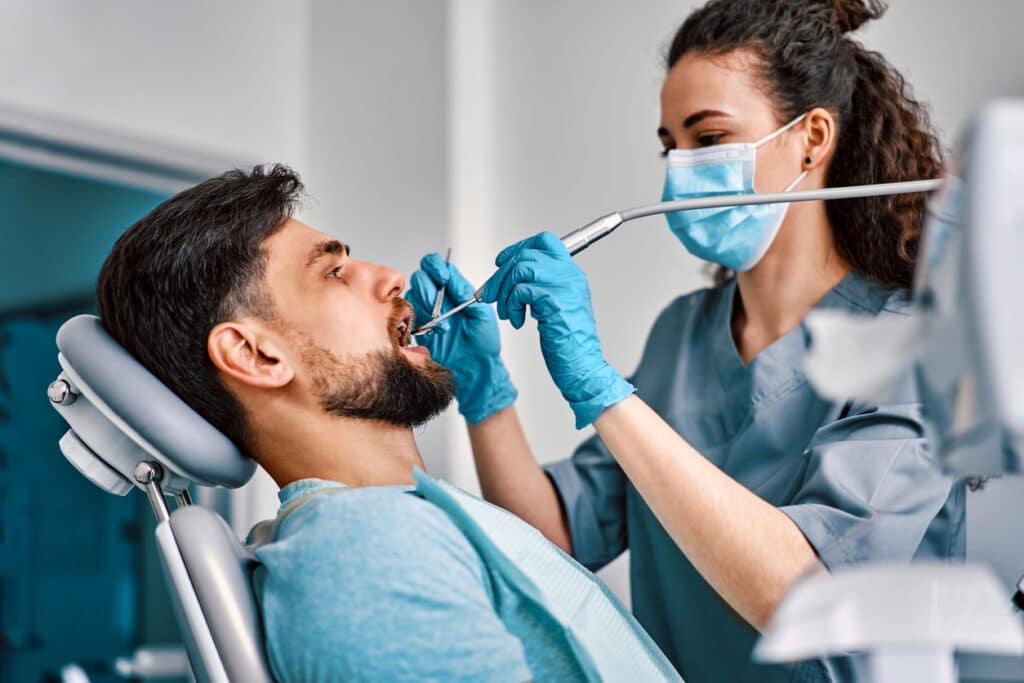
Preventative family dentistry is a proactive clinical strategy that utilizes advanced diagnostics, targeted fluoride therapies, and customized hygiene protocols to halt and reverse early tooth decay. This comprehensive approach protects your family’s natural enamel and prevents costly, invasive restorative procedures across all age groups.
Is Bad Enamel Genetic? Fighting Your Family’s Cavity History
The medical literature indicates that the importance of epigenetics in tooth formation has been known for over four decades [1] (Wright et al., 2023). Genetics plays a significant role in the baseline thickness of your enamel and the natural buffering capacity of your saliva. However, tooth decay is bacterial, not strictly genetic. You are not doomed to experience the same painful, expensive dental fillings your parents endured. Preventive family dentistry actively breaks this generational cycle. If we know your family has a genetic predisposition to weaker enamel or specific oral bacteria, we upgrade your preventive blueprint. We shift from a reactive mindset to a highly proactive one by prescribing high-concentration mineral gels and increasing the frequency of your preventive exams. By identifying your family’s unique biological risks early, we can mitigate your genetic risk and keep your natural teeth intact for a lifetime.
The Science of Saliva: Your Mouth’s Invisible Defense System
Clinical evidence supports that decreased levels of salivary immunoglobulin A and high concentrations of salivary protein are associated with increased caries experience in children [2] (Razi et al., 2020). When it comes to stopping tooth decay, your toothbrush is your second-best tool; your primary defense is actually your saliva. It not only keeps your mouth moist, but it is also rich in calcium, phosphate, and natural antibacterial enzymes. After you eat a meal in Chatham County, your saliva immediately goes to work to remove food particles and actively push lost minerals back into your microscopic enamel pores. However, when saliva production drops, your risk of cavities increases. For adults, chronic stress and daily prescription medications can severely restrict salivary flow. For active kids and teenagers, dehydration after local sports drastically dries out the mouth. When your enamel loses its protective salivary shield, plaque quickly hardens, and acid attacks go unchecked. Our preventative checkups include a thorough evaluation of your saliva levels, allowing us to recommend targeted hydration strategies and xylitol-based lozenges that stimulate flow and protect your teeth around the clock.
A table that compares reactive and preventive care
Treatment category | Primary intervention | Out-of-pocket cost | Durability | maintenance level |
Early prevention | Fluoride varnish | Very low | 3 – 6 months | Bi annual |
Physical shield | Dental sealants | Low | 3-5 years | Low |
Reactive repair | Composite resin filling | Moderate | 5-10 years | Moderate |
Severe decay | Root canal | High | 10-15 years | High |
Strategic Snacking: How to Eat Without Eroding Your Enamel
For parents managing after-school snacks and rushed dinners, dietary advice often comes across as a strict ban on sugar. In reality, modern preventive dentistry focuses more on how you eat than on just what you eat. Every time your child eats a carbohydrate, the bacteria in their mouth metabolize it into acid. This “acid attack” lasts for about 30 to 45 minutes before saliva can neutralize the environment. If your teenager is slowly sipping a sports drink over a two-hour period, or your toddler is continuously grazing on fruit snacks, their enamel is held hostage in a constant state of acid erosion. To prevent decay without banning snacks, we teach families about “food sequencing.” Encourage your family to eat sugary or carbohydrate-heavy foods in one sitting rather than grazing. Following up a snack with a piece of natural cheese or a glass of local Pittsboro tap water instantly helps buffer the acid, protecting the enamel from prolonged damage.
Hydroxyapatite vs. Fluoride: Upgrading Your At-Home Arsenal
Clinical evidence suggests that 10% hydroxyapatite achieved comparable efficacy with 500 ppm fluoride ion (amine fluoride) in remineralizing initial caries and preventing demineralization [3] (Amaechi et al., 2019). For decades, traditional fluoride has been the gold standard for cavity prevention, acting as a powerful shield that makes enamel highly resistant to acid. However, a newer, scientifically backed alternative has entered the preventative spotlight: nano-hydroxyapatite (nHA). Hydroxyapatite is the calcium-phosphate mineral that naturally makes up 97% of your tooth enamel. When used in toothpaste, these microscopic particles seamlessly bond to your teeth, filling in the tiny scratches and weakened areas where cavities begin to form. Both fluoride and nano-hydroxyapatite are highly effective, non-invasive tools for reversing early-stage decay. During your family’s checkup, our clinical team will evaluate your specific enamel density and decay risk to help you choose the perfect, science-backed toothpaste for your household’s daily routine.
The Surprising Link Between Mouth Breathing and Rapid Tooth Decay
If your child brushes and flosses perfectly every single night but still develops rapid, recurring cavities, the culprit might not be their hygiene; it might be their airway. Children who suffer from seasonal North Carolina allergies, enlarged tonsils, or chronic congestion often resort to breathing through their mouths, especially while they sleep. When your mouth remains open for 8 hours a night, the continuous airflow evaporates your protective saliva. The mouth becomes a dry, acidic breeding ground where cavity-causing bacteria thrive and multiply at an alarming rate. During our comprehensive preventative exams, we look beyond the teeth to evaluate your child’s airway and resting oral posture. By catching the subtle signs of mouth breathing early, we can intervene to protect their enamel from rampant decay while simultaneously improving their sleep quality, behavior, and systemic health.
FAQS
1. Can a micro-cavity heal on its own without a filling?
Yes. If decay is caught in the earliest “demineralization” phase, it can be successfully reversed. By applying professional fluoride varnishes and improving daily brushing habits, your enamel can remineralize and harden, completely avoiding the need for a drill or a filling.
2. Does adult enamel still benefit from fluoride treatments?
Absolutely. While fluoride is heavily associated with pediatric dentistry, adult teeth are constantly under attack from acidic diets, stress-induced dry mouth, and daily medications. Targeted professional fluoride treatments are highly effective at defending adult enamel against root decay and reducing extreme temperature sensitivity.
3. How does my daily diet affect the remineralization process?
In dentistry, the frequency of your meals matters more than the quantity. Every time you eat a carbohydrate or sip a sugary beverage, your mouth experiences an acid attack that lasts roughly 30 minutes. If you snack continuously throughout the day, your saliva never gets the chance to naturally neutralize the acid and remineralize your teeth. Limiting snacking and drinking local Pittsboro tap water between meals gives your enamel time to recover and stay strong.
About The Author
Dr. Colin Barbaro, DDS, provides comprehensive general and cosmetic dentistry at Azalea Dental in Wilmington, NC. With advanced surgical training from a VA hospital residency, he specializes in implant placement, TMJ therapy, restorative care, and endodontics. He is committed to delivering safe, evidence-based solutions that keep patients comfortable and informed at every step.
References
[1] Wright J. T. (2023). Enamel Phenotypes: Genetic and Environmental Determinants. Genes, 14(3), 545. https://doi.org/10.3390/genes14030545
[2] Razi, M. A., Qamar, S., Singhal, A., Mahajan, A., Siddiqui, S., & Mohina Minz, R. S. (2020). Role of natural salivary defenses in the maintenance of healthy oral microbiota in children and adolescents. Journal of family medicine and primary care, 9(3), 1603–1607. https://doi.org/10.4103/jfmpc.jfmpc_1134_19
[3] Amaechi, B. T., AbdulAzees, P. A., Alshareif, D. O., Shehata, M. A., Lima, P. P. C. S., Abdollahi, A., Kalkhorani, P. S., & Evans, V. (2019). Comparative efficacy of a hydroxyapatite and a fluoride toothpaste for prevention and remineralization of dental caries in children. BDJ open, 5, 18. https://doi.org/10.1038/s41405-019-0026-8